
Retrieval practice
Content in the Tassomai blog is organised by publication date and category. Click on the links below to filter content by category.
All contentNewsCase studyArticleTips for teachersTips for studentsTips for parentsTips for users
Posts tagged Retrieval practice

Intent, implementation and impact: what Ofsted’s 2026 toolkit says
Ofsted’s renewed toolkit still uses intent, implementation and impact, split across two evaluation areas. A short summary of what the official documents say, quoted and checked on 27 October 2026.
Read more →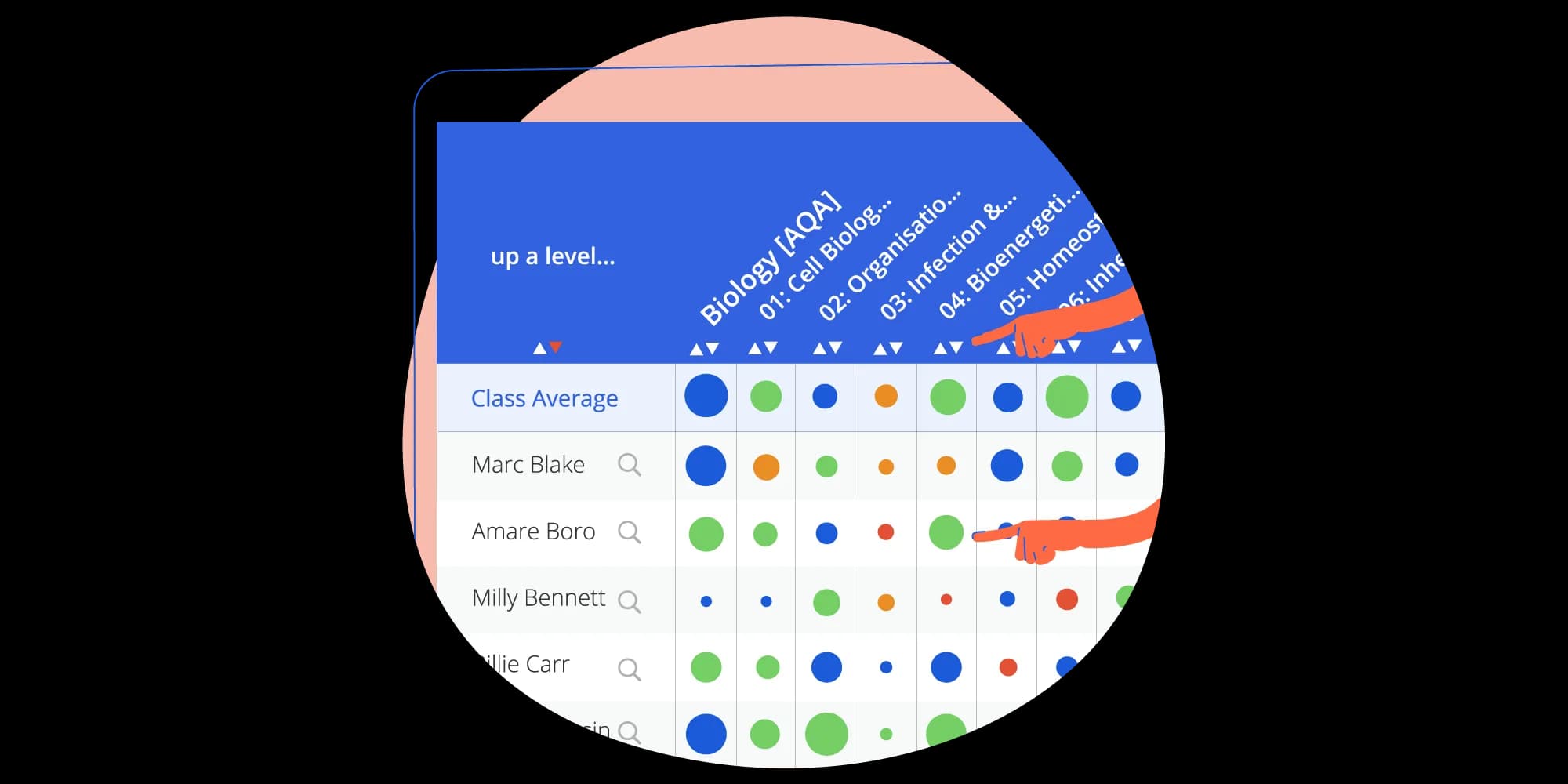
Using data-driven starters to target whole-class knowledge gaps in zero prep time
Most lesson starters test whatever was taught last lesson. How to use your class’s homework data to open every lesson on the gaps that matter, with almost no planning.
Read more →
Why passive highlighting fails GCSE students and what to do instead
Highlighting feels like hard work, but research rates it as one of the least useful ways to revise. Why it fails GCSE students and the active recall swaps that work instead.
Read more →
Interleaving topics in secondary science: how mixing practice improves final grades
Blocked revision feels organised but fades by exam day. Why mixing biology, chemistry and physics topics in practice builds stronger recall, and 3 ways to start.
Read more →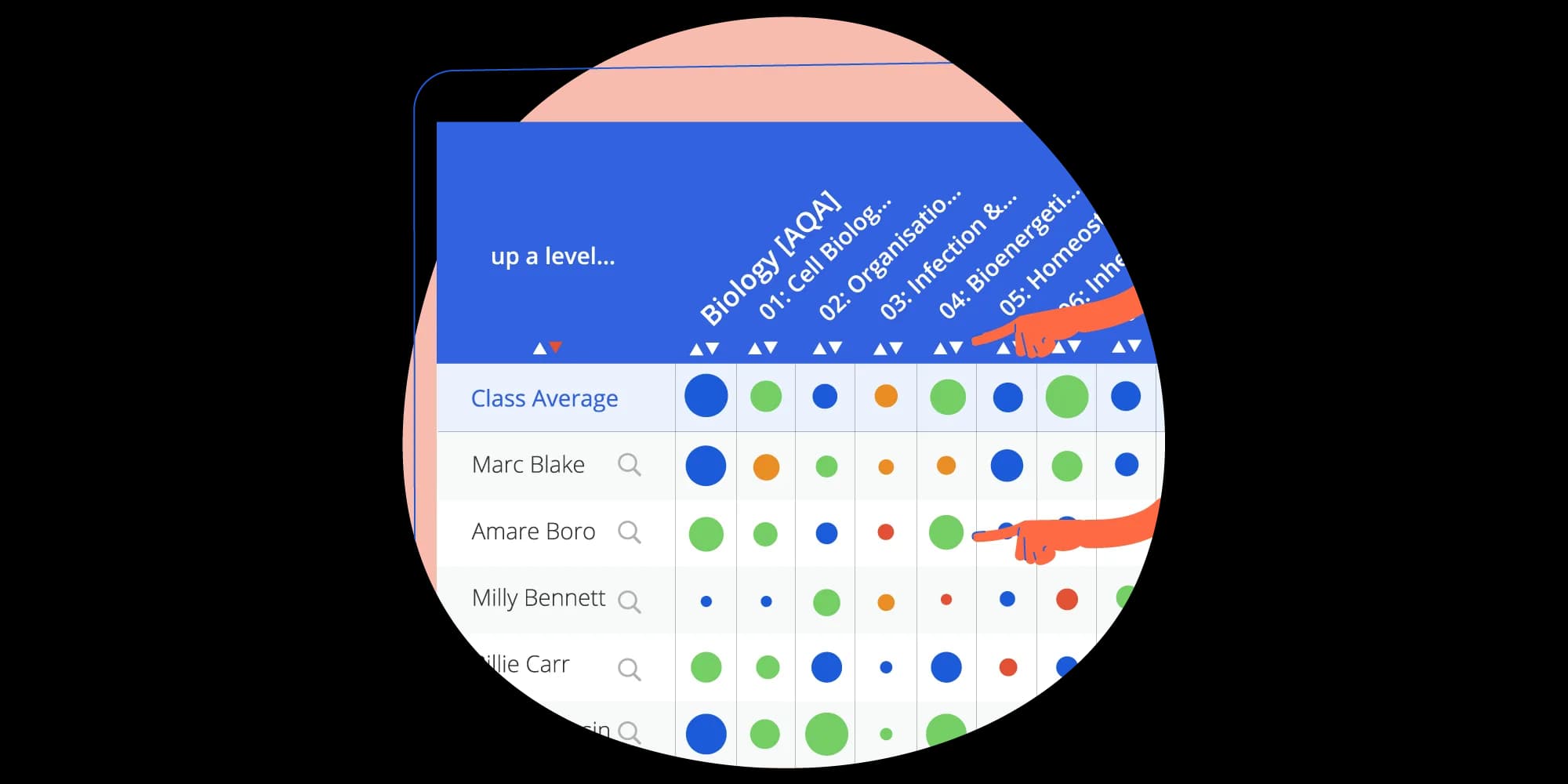
Tassomai vs CENTURY Tech: self-setting micro-learning vs curated digital nugget libraries
CENTURY Tech is built around a library of nuggets; Tassomai sets every pupil’s Daily Goal automatically. How the two compare on teacher workload, pupil practice and classroom data.
Read more →
How to structure a KS3 strategy that prepares students for GCSE rigour
Years 7 to 9 can drift while GCSE teaching is squeezed into four short terms. How using year 9 as a bridge, with low-stakes pre-testing, prepares students for GCSE rigour.
Read more →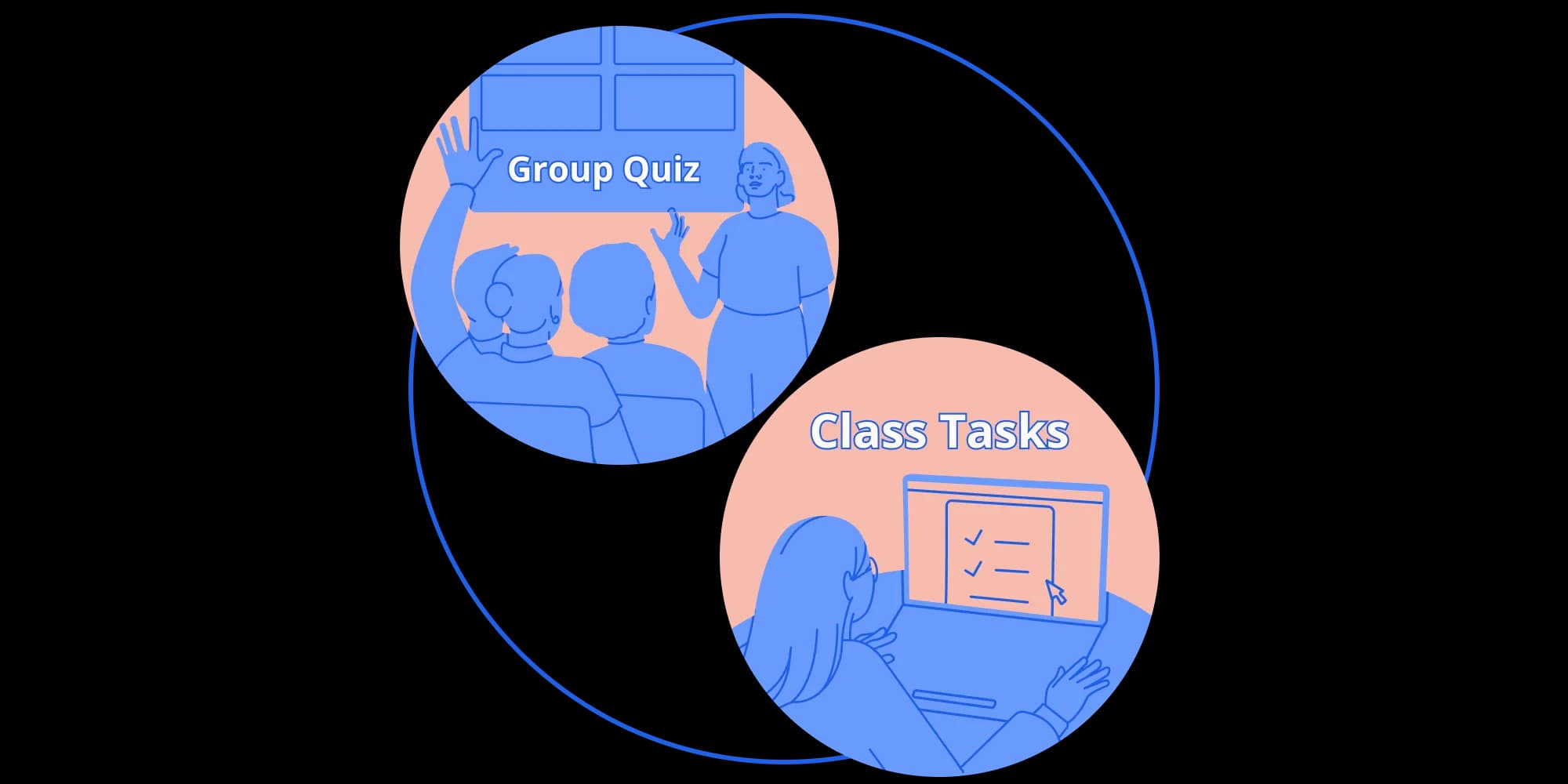
Tassomai vs. Medly AI: low-stakes daily micro-habits vs. direct-to-consumer chatbot tutoring
Medly AI sells chatbot tutoring to families; Tassomai builds daily retrieval habits across a whole school. How the two compare on learning design, cost model and the data teachers get.
Read more →
Building domain-specific vocabulary in GCSE History and Geography using low-stakes quizzing
Precise subject terms win top-band marks in GCSE History and Geography, but they fade fast. How low-stakes quizzing turns vocabulary recognition into fluent recall in the exam.
Read more →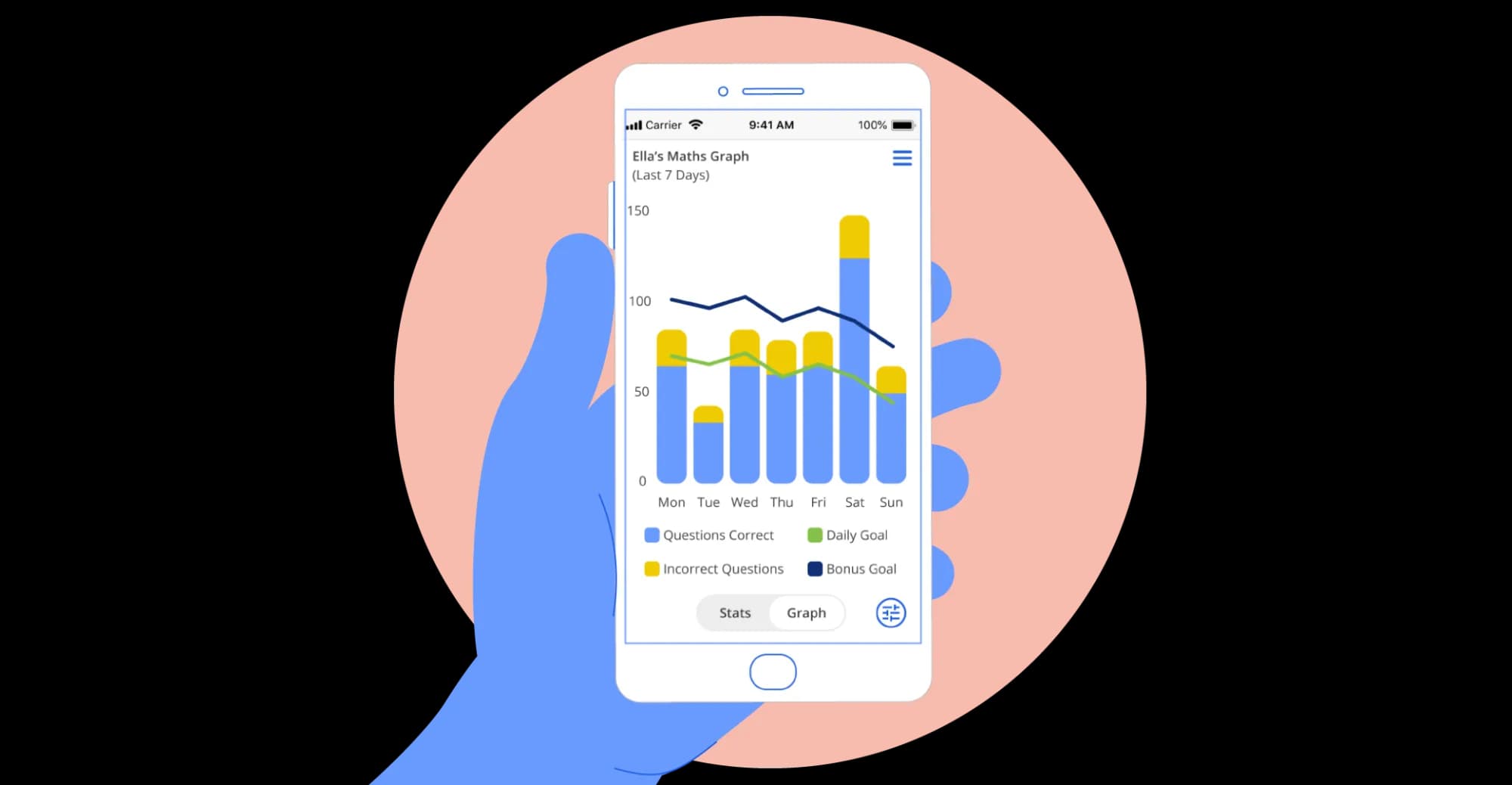
Tackling the GCSE Maths retention drop: building fluency across Key Stage 3 and Key Stage 4
Pupils who master a maths topic in year 10 often forget it by the mocks. Why blocked practice fades, and three strategies that build lasting fluency from KS3 to GCSE.
Read more →
The testing effect in practice: Why retrieving knowledge beats re-reading notes every time
Explore how active retrieval practice improves long-term memory compared to re-reading notes and how Tassomai supports students in building durable knowledge and confidence.
Read more →
Tassomai vs. Up Learn: Sustainable daily micro-habits vs. high-cost video cramming
Compare Tassomai’s daily active recall approach with Up Learn’s video lessons, exploring impacts on learning, teacher workload, affordability, and whole-school monitoring.
Read more →
Cognitive science made effortless: How pre-testing and the hypercorrection effect build durable memory
Explore how pre-testing and the hypercorrection effect improve long-term memory and how Tassomai uses these techniques to support effective revision and teaching strategies.
Read more →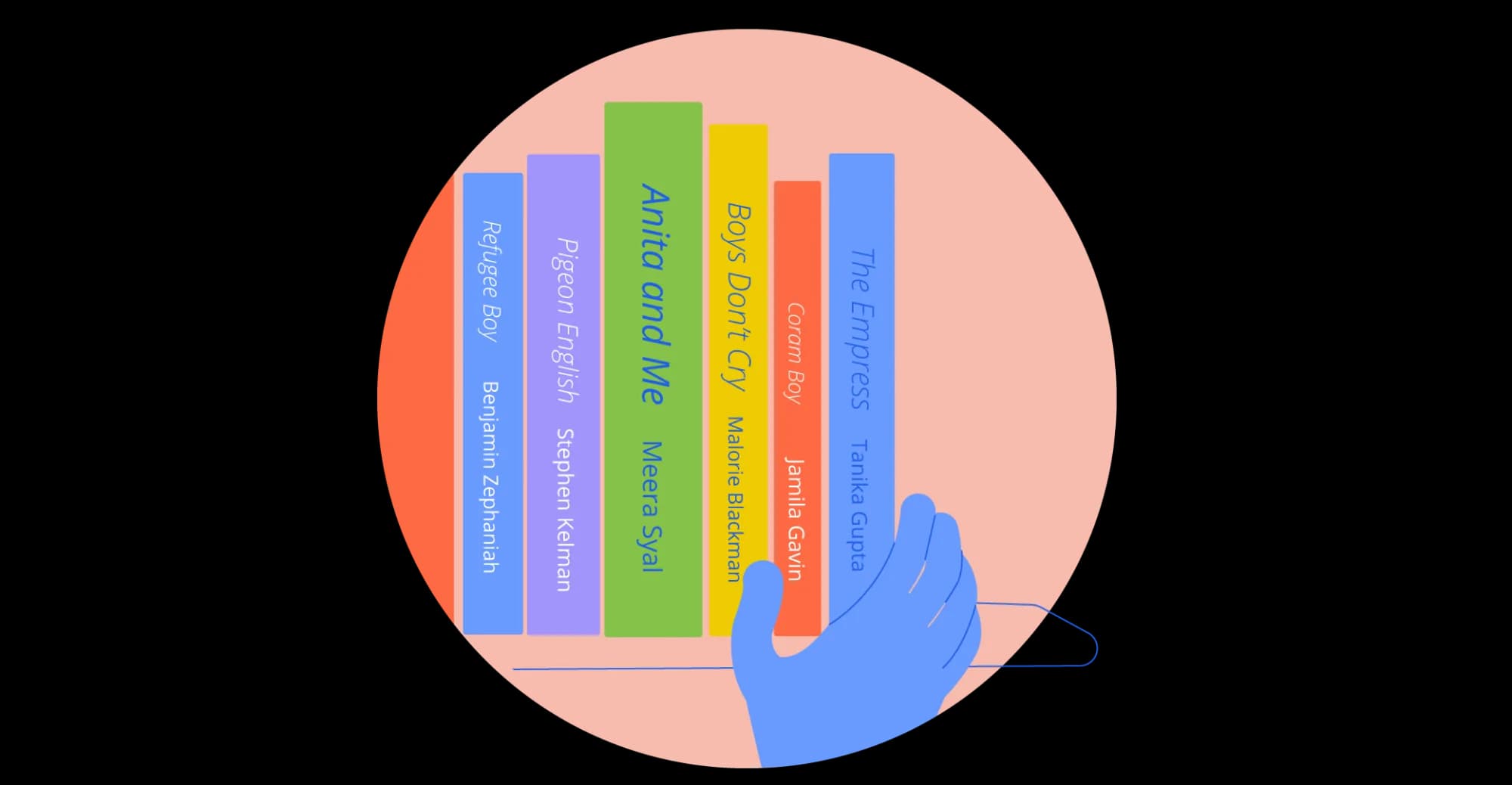
Securing core quotations and context in GCSE English Literature without passive rote learning
Explore effective revision strategies for GCSE English Literature that build flexible recall of quotations and context without relying on passive rote learning.
Read more →
Cutting homework marking time without losing diagnostic classroom data
Explore how Tassomai reduces homework marking time while providing real-time diagnostic data to support effective teaching and student learning in GCSE and primary education.
Read more →
Tassomai vs. Sparx: Which platform actually builds long-term retention?
Compare Tassomai and Sparx on long-term retention, workload, integrity checks, and cost. Learn how Tassomai supports efficient daily revision and saves teacher time across subjects.
Read more →Why students forget mock exam material by May (and how spaced retrieval fixes it)
Explore why students often forget mock exam material by May and how spaced retrieval with short daily sessions can improve long-term memory and exam performance.
Read more →
Motivating learners with Tassomai
Small, daily wins make the biggest difference. Here’s how Tassomai helps students stay motivated — and how parents can keep that momentum going at home.
Read more →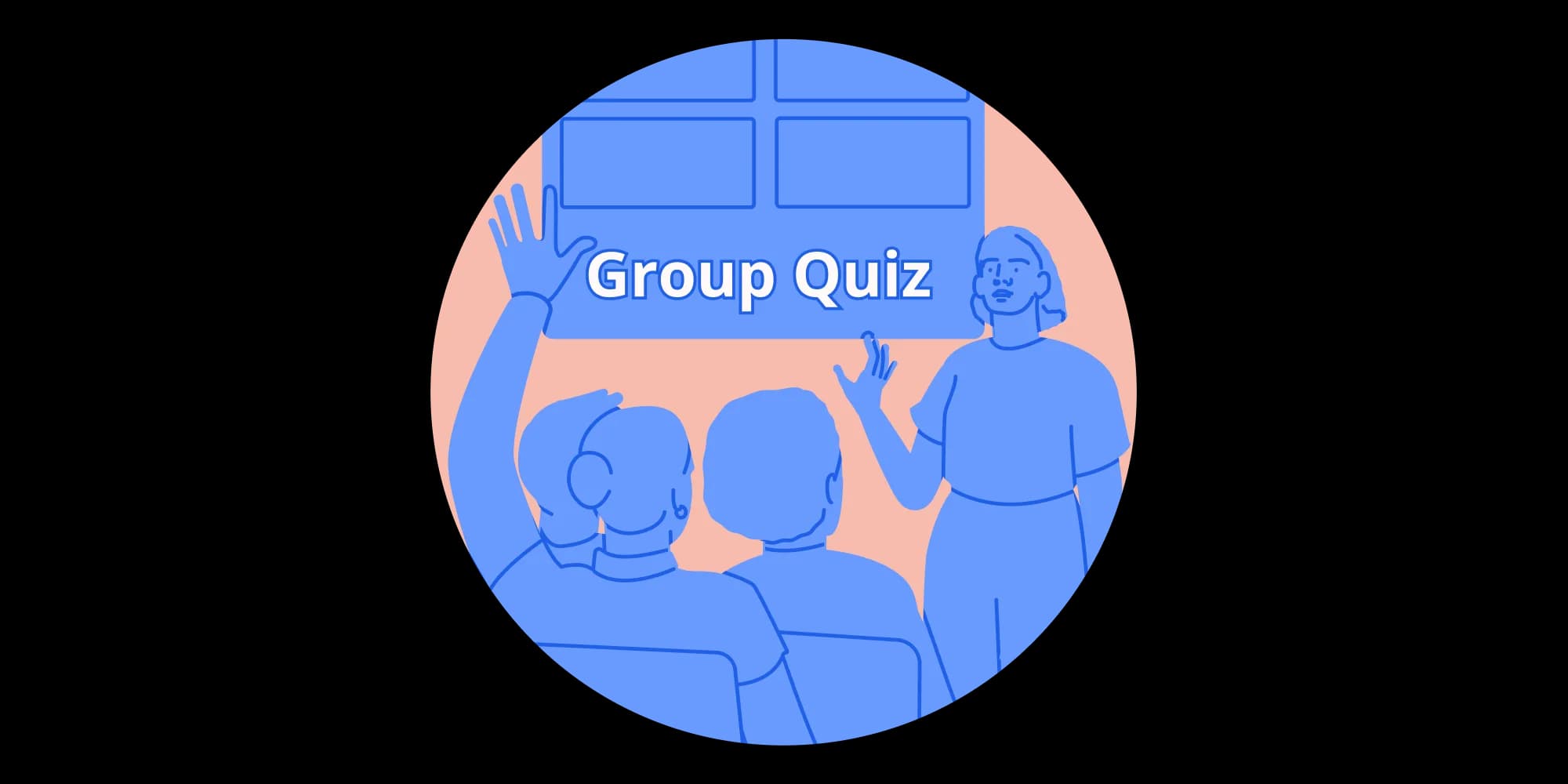
Set Group Quizzes in October to win prizes!
If you are a teacher using Tassomai in school, every Group Quiz you set in October will get you an entry into a £300 prize draw !
Read more →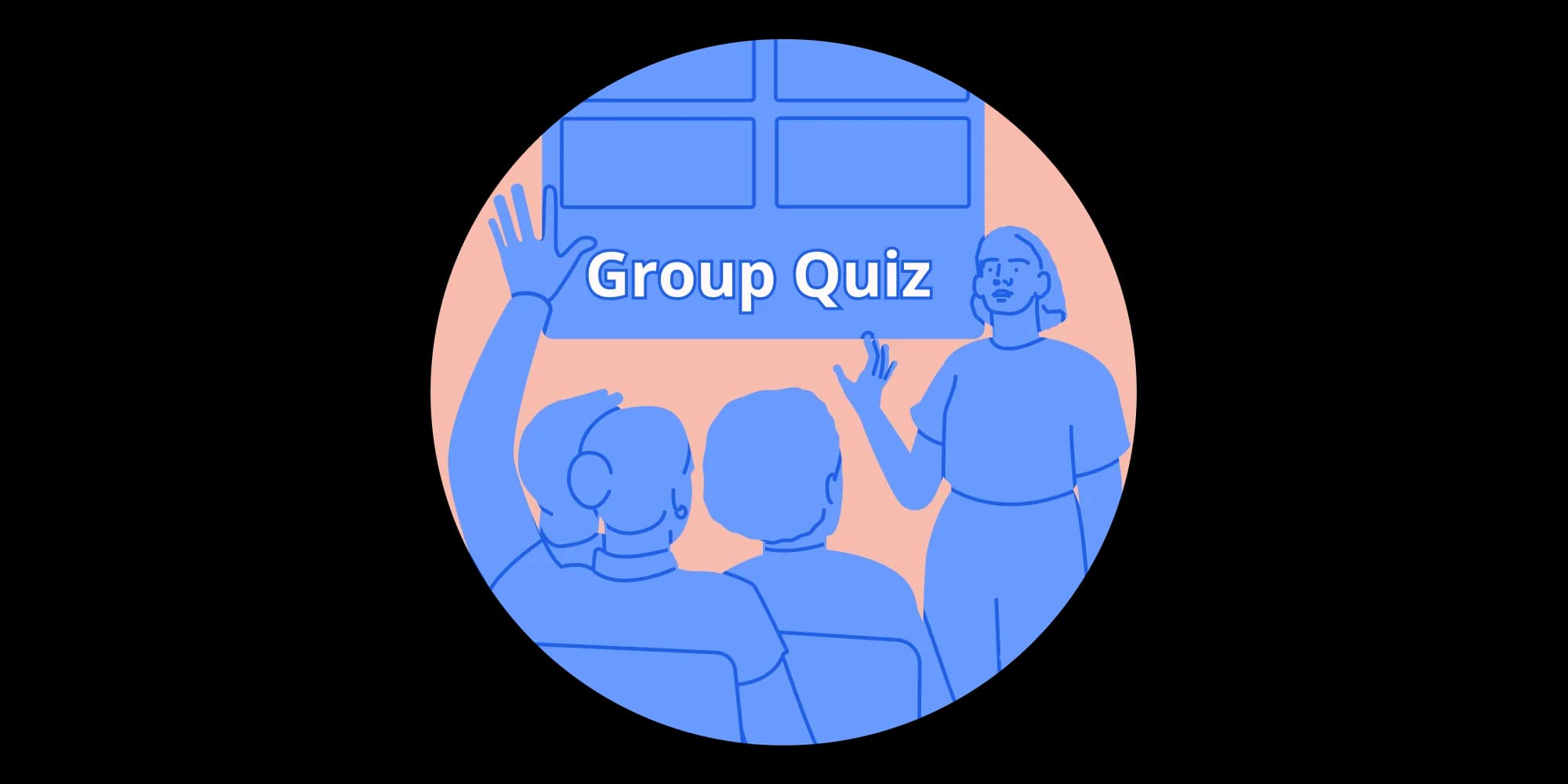
Introducing Group Quiz - An exciting new way to use Tassomai in the classroom!
Use Group Quiz for: quick and easy lesson starters ; targeted, high-impact revision sessions; cover lessons that any teacher can run.
Read more →
The Science of Effective Learning: How to Help Your Child Revise Smarter, Not Harder
Many students revise the wrong way — re-reading and highlighting don’t help knowledge stick! Discover the science-backed strategies that make revision more effective and help learners prepare for GCSE exam success.
Read more →