
Securing core quotations and context in GCSE English Literature without passive rote learning

Preparing pupils for closed-book GCSE English Literature examinations across AQA, Edexcel, and OCR presents an immediate pedagogical hurdle: the sheer volume of material required for retention.
Between set texts, 19th-century prose, Shakespearean drama, and poetry anthologies, Year 11 pupils are expected to evaluate dozens of complex works under strict examination conditions. To construct high-scoring analytical arguments, they require instant, fluent access to core quotations, plot chronology, character trajectories, and historical context.
Key takeaways
- Closed-book GCSE English Literature examinations require flexible, adaptable recall of core quotations and context rather than rote memorisation of long passages.
- Passive rote learning of quotations leads to fragile memory and superficial textual analysis under exam conditions.
- Focusing on short micro-quotations and linking them directly to historical context helps pupils build durable, adaptable knowledge.
- Low-stakes retrieval practice embedded throughout Key Stage 4 supports long-term retention and reduces exam stress.
- Tassomai provides automated, daily retrieval practice across GCSE English Literature set texts, integrating quotations, context, and English Language skills for effective revision.
Quotation learning
Why passive rote learning of quotations fails in GCSE English Literature
Closed-book GCSE English Literature examinations do not test whether a pupil can recite long passages of text like an actor rehearsing a script. High marks in Assessment Objectives AO1 (textual response and quotation selection) and AO3 (historical and social context) demand flexible, adaptable recall.
When pupils acquire quotations through passive rote learning, two significant problems emerge:
- Rigid Recall under Stress: Memory established through passive repetition is fragile. Under examination pressure, if a pupil forgets a single word within a memorised five-line block, the entire quote collapses in their mind, inducing immediate anxiety.
- Superficial Textual Analysis: Learning long quote blocks in isolation encourages pupils to dump quotations, dropping memorised lines into essays without evaluating specific language choices, tone, or historical context.
To excel in GCSE English Literature, pupils need to retain short, high-leverage micro-quotations and key contextual concepts that can be flexibly adapted to whatever thematic question appears on the examination paper.
Passive quotation cramming relies on long quote blocks, producing fragile memory, quotation-dumping in essays, and high examination stress. Flexible retrieval focuses on micro-quotations and context, cultivating durable long-term memory, high-level analytical integration, and genuine examination confidence.
Revision strategies
How to build flexible recall of quotations and context in GCSE English Literature
Transforming textual revision across Key Stage 3 and Key Stage 4 requires moving away from passive copying toward active, low-stakes retrieval:
- Prioritise Micro-Quotations Over Paragraph Blocks: Guide pupils to focus on short, three-to-four-word micro-quotations rich in literary devices (such as vaulting ambition, smoke of hell, or squeezing, wrenching, grasping). Short quotations are far easier to commit to long-term memory and compel pupils to perform close linguistic analysis rather than superficial summary.
- Interleave Textual Recall Throughout Key Stage 4: Avoid waiting until the final term of Year 11 to revisit texts taught in Year 10. If a class studied An Inspector Calls or Macbeth early in Key Stage 4, introduce brief retrieval tasks every week to keep character arcs, key quotations, and historical context fresh in their minds.
- Link Quotations Directly to Historical Context (AO3): Contextual knowledge should never feel like an isolated history lesson appended to the end of an essay. Test contextual knowledge alongside quotations so pupils naturally associate themes (such as Victorian social attitudes or Jacobean divine right) directly with specific character choices and textual evidence.
Tassomai support
How Tassomai helps build textual mastery across English Literature and Language
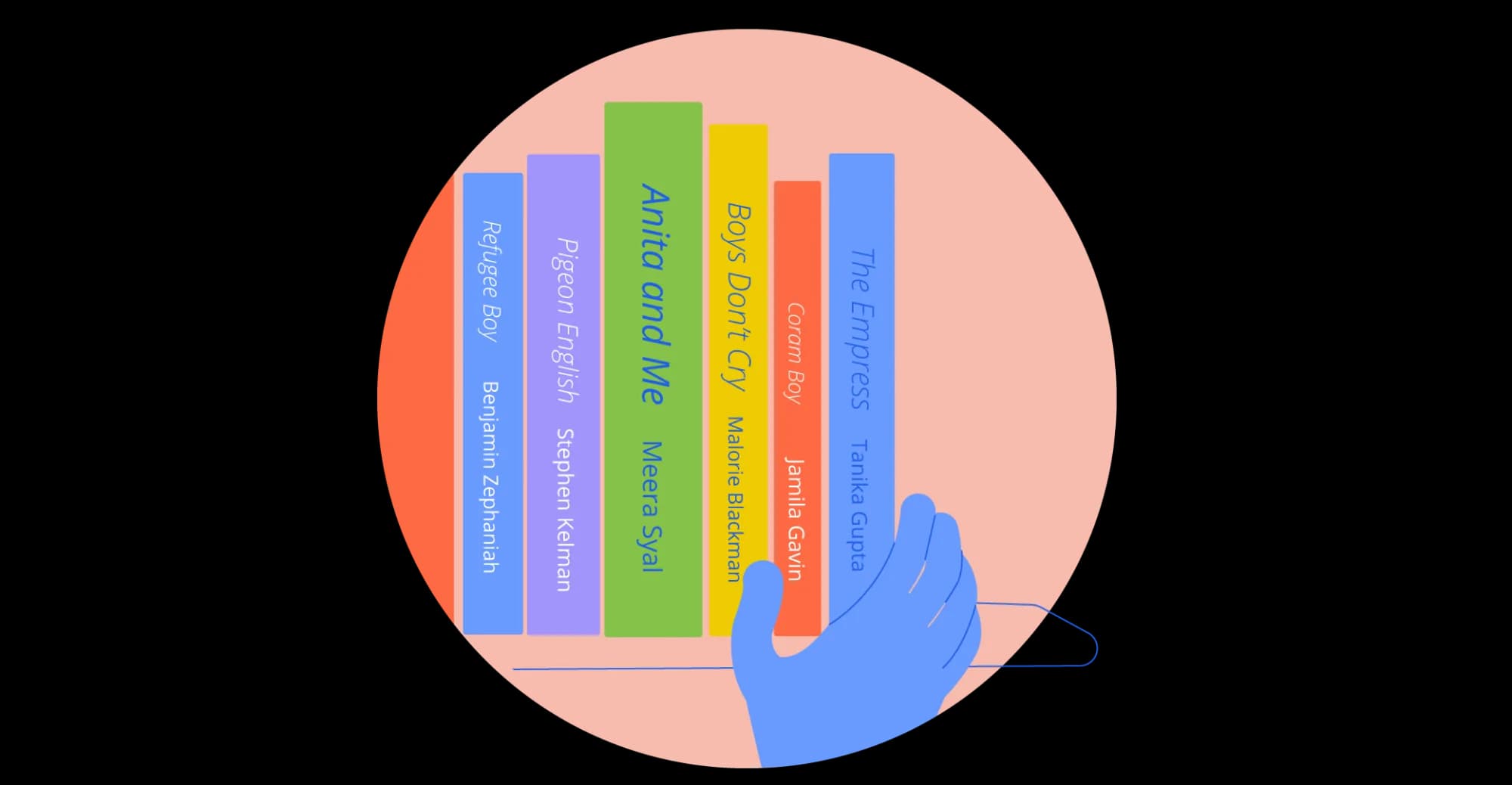
At Tassomai, we have expanded our multi-subject coverage to provide English departments with a powerful, automated tool for building textual fluency across Key Stage 3 and GCSE specifications for AQA, Edexcel, and OCR.
Comprehensive GCSE Text Coverage: Tassomai encompasses the primary GCSE set texts, Shakespeare plays, 19th-century novels, modern prose and drama, and poetry anthologies.
Low-Stakes Retrieval for Quotes and Context: Our adaptive algorithm breaks down set texts into short, manageable micro-quizzes. Pupils regularly retrieve core quotations, character details, plot chronology, and historical context in focused ten-minute daily sessions.
Integrated English Language Skills: Alongside Literature, Tassomai reinforces core English Language skills, developing vocabulary, SPaG (spelling, punctuation, and grammar), structural analysis terminology, and unseen text comprehension.
The Dots Grid and Leadership Dashboards: Heads of English gain real-time visual tracking over text mastery across entire year groups, making it straightforward to identify which texts or characters require class-wide review long before mock examinations.
Mai Explains (Instant Literary Context): When a pupil stumbles on a character motive, literary term, or contextual question, our built-in AI tutor, Mai, provides immediate, clear guidance, deepening understanding while the thought process remains active.
By turning quotation and context retrieval into a smooth, low-stakes daily routine, Tassomai frees working memory, restores teacher work-life balance, and equips pupils with the solid textual foundation required to write outstanding analytical essays on examination day.
Frequently asked questions
Yes. Essay writing places heavy demands on working memory. If a pupil must expend mental energy attempting to remember basic plot points or quotations, they have less cognitive capacity for constructing high-level arguments and language analysis. Low-stakes retrieval automates foundational recall, liberating working memory for top-tier essay writing.
Tassomai breaks poetry anthologies down by key themes, structural devices, and core comparative quotations across sets such as AQA Power & Conflict or Edexcel Relationships. This enables pupils to construct thematic connections and compare poems flexibly under examination conditions.
Absolutely. Employing Tassomai in Key Stage 3 establishes core vocabulary, SPaG accuracy, and literary analysis terminology early. This smooths the transition into Key Stage 4 and ensures pupils arrive in Year 10 equipped for the academic demands of GCSE English.
Tagged: GCSE English, English literature, Retrieval practice