
How to start your revision
Tassomai
3 min read
Exams are getting closer, and students should definitely be starting to ramp up their revision around about now. This article looks at what kind of revision students should be doing, and why it’s effective - we’ll have another article on practice papers soon.
How To Revise
Have your exam timetable ready
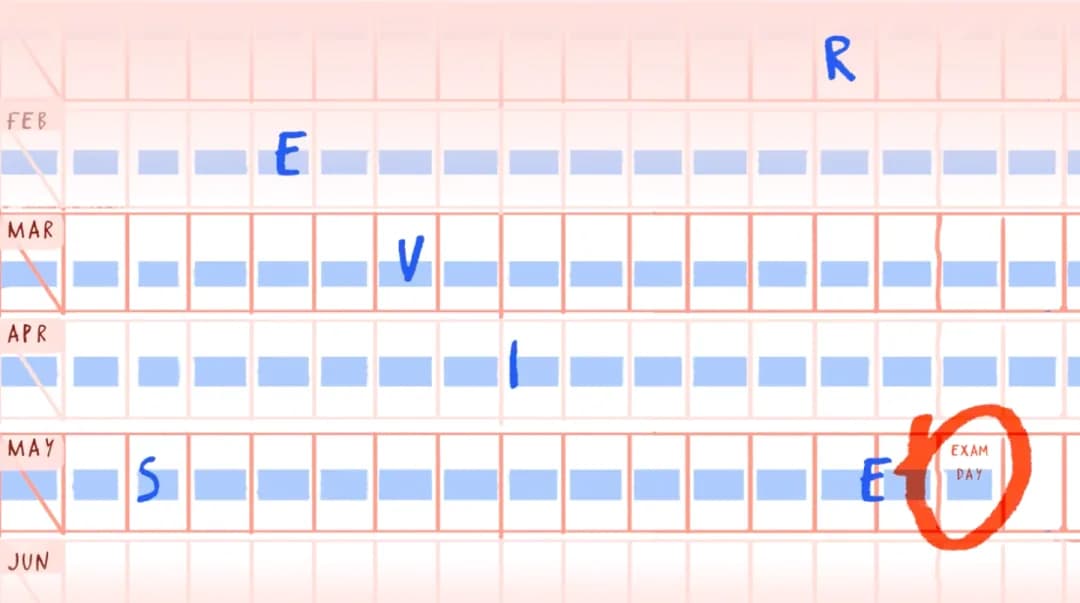
Make sure you know when all of your exams are and put them into your calendar - and then put them in a second time, a few weeks before the actual exams. This means you can schedule a dummy-run of your exams a few weeks before you take them - this is a perfect time to do a practice paper under exam conditions for every exam.
As well as the normal benefits of practice papers, this also helps you get used to what the actual exam period is like. If you have three 9am exams in a row in May, it’s good to practice doing this in April first - just like professional footballers train at 3pm to prepare for 3pm kick offs, you should try to revise the most at the same time as your exams.
Focus on your weaknesses
A key aspect of revision is focussing on your weaknesses. It’s very easy to end up studying the topics and subjects you enjoy, and are therefore probably better at, but these aren’t the areas you really need to improve. You’ll also improve faster and more if you prioritise your weak areas; there’s more ground to gain, and so it’s easier to improve.
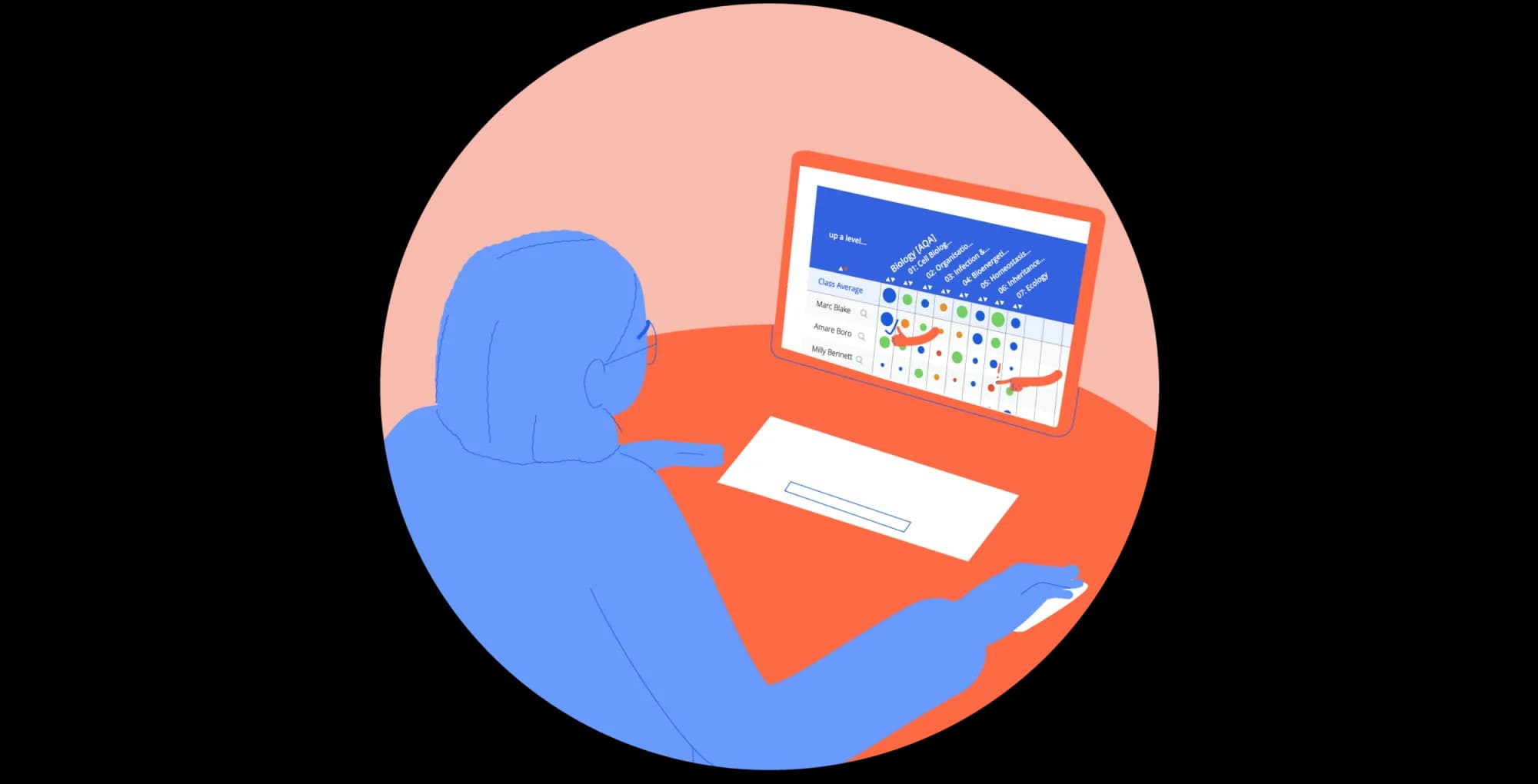
If you need any help on finding weaknesses, we cover that here - but essentially you can look through the exam specification or work through a practice paper, finding the areas you aren’t confident with. You can also ask your parent or teacher to look at Tassomai’s understanding grid for red and orange dots.
Make sure you don’t completely ignore your strengths though! Although you should prioritise your weaker areas, you still need to spend some time on the areas you are already good at.
The “Pomodoro” technique
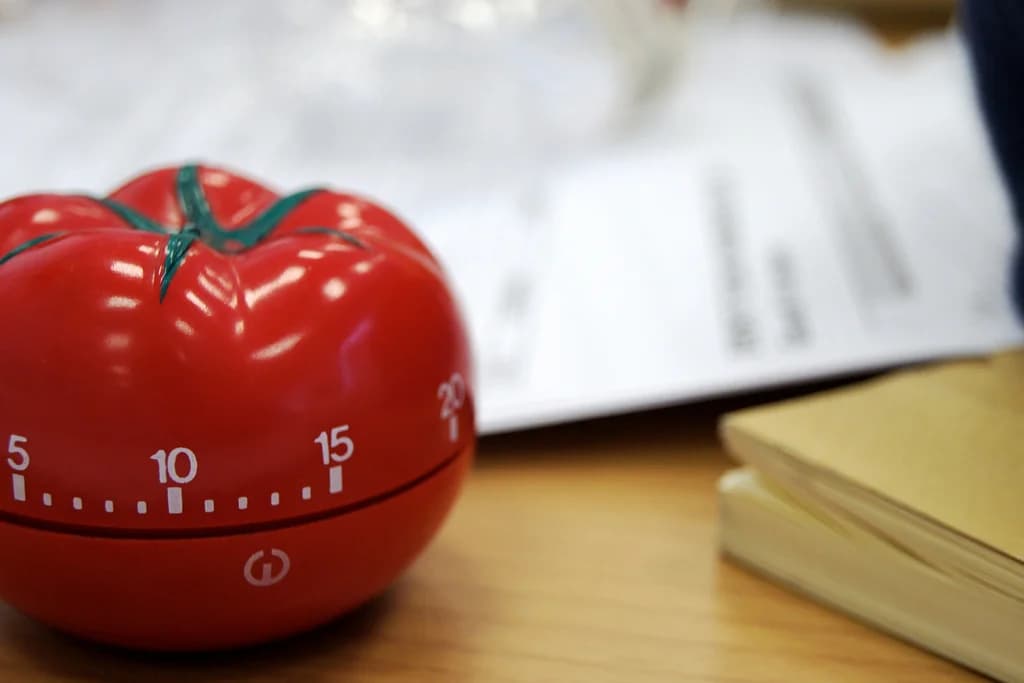
The Pomodoro technique was developed in the late 1980s, and is shown to be an extremely effective way to work. It helps break up stretches of work into manageable chunks, while making sure you don’t take overly long breaks.
Choose the task you want to focus on (in this case, the topic to revise)
Set a timer for 25 minutes, put your phone on airplane mode, and work until it goes off
Set your timer for 5 minutes, and have a break - but only for 5 minutes
Repeat this until you’ve done four “pomodoros”
Have a 30 minute break
Start again
Flashcards
One of the main principles behind Tassomai is that learning is more effective if the information is broken down into small, digestible bits of information - and this is the same with flashcards. We would recommend creating flashcards for all the subjects you aren’t using Tassomai for.
You can also get creative with when and where you use them, and get your friends and family to test you on them. If your friends are testing you, then you will both learn from them, so this is even more helpful!
Listen to yourself
One final revision tip is to record yourself reading your notes aloud and save this on your phone. You can then listen to this when travelling to and from school, making sure you aren’t wasting any time when you could be revising.
We hope you find this article helpful - we’ll discuss how to use practice papers effectively next time!
Want to find out more about the most effective ways to revise?
One of the most well known experts on effective revision strategies is Professor John Dunlosky of the department of psychological sciences at Kent State University, Ohio. His work informed much of the thinking behind Tassomai and the way the program works.
Listen to professor John Dunlosky on BBC Radio 4 talking about which revision techniques actually work (1:30 - 8:45)
Here’s an article in TES if you’d rather read about Professor Dunlosky’s work
More articles about revision
View all revision articles
16 October 2026 · Article
The testing effect in practice: Why retrieving knowledge beats re-reading notes every time
Explore how active retrieval practice improves long-term memory compared to re-reading notes and how Tassomai supports students in building durable knowledge and confidence.

15 October 2026 · Tips for parents
Supporting your child through GCSE revision without the daily arguments
Discover effective ways to support GCSE revision with short daily practice and reduce conflict. Learn how Tassomai helps create a peaceful study routine and track progress.
15 October 2026 · Article, Tips for teachers
Why students forget mock exam material by May (and how spaced retrieval fixes it)
Explore why students often forget mock exam material by May and how spaced retrieval with short daily sessions can improve long-term memory and exam performance.
3 February 2025 · Tips for parents
The Science of Effective Learning: How to Help Your Child Revise Smarter, Not Harder
Many students revise the wrong way — re-reading and highlighting don’t help knowledge stick! Discover the science-backed strategies that make revision more effective and help learners prepare for GCSE exam success.

5 December 2024 · Tips for students
Tricky topics in GCSE Science: Displacement Reactions
Displacement Reactions are an important topic for GCSE chemistry students to understand and one which comes up regularly in GCSE science exams. It’s also a topic which we know many students struggle with. Read this blog post to get to grips with Displacement Reactions !

5 November 2024 · Tips for students
Tricky topics in GCSE Maths: Calculating Percentages for Ratios
Calculating Percentages for Ratios is an important topic for GCSE maths students to get to grips with, as it’s an exam specification point for major exam boards . It’s also a topic which we know many students struggle with. Read this blog post to get to grips with Calculating Percentages for Ratios !

7 October 2024 · Tips for students
Tricky Topics in GCSE Science: Scalar and Vector Quantities
We find a lot of GCSE science students struggle with questions about scalar and vector quantities . This “Tricky Topics” blog explains the key difference that students need to know to tackle this topic with confidence in their GCSE physics exams.

30 September 2024 · Tips for students
Tricky topics in GCSE English Language: Homophones
Homophones is an important topic for GCSE English students to understand and one which comes up in GCSE English exams. It’s also a topic which we know many students struggle with. Read this blog post to get to grips with Homophones !
Tagged: Revision, Exams, Home learning, Student guide