
Top tips for parents from a senior leader
Tassomai
4 min read
Karen Collins, Lead Science Associate for PiXL, speaks to Tassomai about the structure of the science GCSEs and how parents can best prepare themselves and their children for science assessments.

Some parents may have had a modular system of exams when they were at school, whereas others may have experience with the terminal examination style that has come back into fashion. I think this type of save-everything-until-the-end assessment can be really tough on students and it’s important for parents to be aware of this as early on as possible. When coursework used to be included in final grades, it took some of the pressure off that final year, but year 11 assessments are now more gruelling and tough on students than ever before.
Ideally, setting up good practices for learning should start in year 9, that way you can get your child into a routine of going back over their revision rather than trying to cram three years of learning into one final term. Being prepared can significantly reduce the stress of the GCSE years, so don’t panic, there’s a lot that can be done.
Knowing the structure
Depending on their school, year 11 students could be doing between 6-9 exams for science alone. These exams each last for several hours and are some of the most draining assessments students will go through. There are so many exams that it’s no wonder students start getting assessment fatigue; physics, for example, is always left until last in exam timetables and students are often sick of anything to do with science by the time it rolls around. Even in combined science the exams are always separated into multiple exams, which just adds to the pile up.
As a result of these big exams, it's imperative that students rethink revision, keep going back over their knowledge and take a little-and-often approach to their learning. Using tools like Tassomai is great for this as it's an accessible way to build this practice into their daily routine.
It can be really overwhelming knowing that there is so much to prepare for, so working out how much needs to be covered in each subject and when is vital for getting yourself organised. This is an area of revision prep that parents can really help with by sitting their child down and working out a methodical plan for getting everything covered.
Stress management
It’s never been more important to make sure that students have a balanced routine. Exam stress can easily become too much too quickly, so establishing a good work-life balance and taking regular breaks is crucial to setting your child up for success. Work out a system that works for them and includes breaks for exercise and spending time with family and friends.
Downtime should be downtime - try to make sure that they are truly relaxing when they stop revising and learning for the day. If it is at all possible in your home, try to make sure your child’s study space isn’t in their bedroom so that they don’t associate sleep with the workspace and work with the sleep-space. If they need a bit of extra help with winding down, BBC Bitesize has some great resources for managing stress throughout the GCSE years and there are loads of other online resources for you to explore if you think your child needs some extra support.
Knowledge is power
I always think one of the worst breeding grounds for stress is right outside the exam hall when students are nervously talking about assessments before going in. Many students right before assessments will be showing physical signs of stress as their fight or flight response kicks in with their adrenaline - their hands might shake, their heart might be beating faster - which is why I think it is really useful to have sessions where you explain these responses to students and help them understand the biology behind it.

By understanding what is happening in your body, you are better equipped to take yourself through some logistical steps or techniques to regain control and be able to focus in the assessment. Learning breathing exercises, meditating and practicing yoga can all help to calm these nerves and there are loads of YouTube videos students can watch and learn from.
Stress will be a particular problem for the next year groups who have never done any exams due to the pandemic and have had two incredibly disrupted years, so helping to minimise stress in any way we can is key. Schools can try to soften the anxiety surrounding exams by holding revision sessions in their exam halls to get students used to being in the space in the hope that it won’t feel so overwhelming at the end of the year and they will already associate it with quiet, focused working.
The best piece of advice I can give parents and students alike is to remember that you can only do the best you can and not to overthink. I’m so pleased that students have such amazing role models like Simone Biles to look up to these days. It is reassuring for students to know that stress gets to everyone and it is perfectly normal and natural to ask for a break when you need one.
To read more from Karen Collins about her approach to science revision, click here.
Read more articles from our GCSE Survival Guide series
View all Survival Guide articles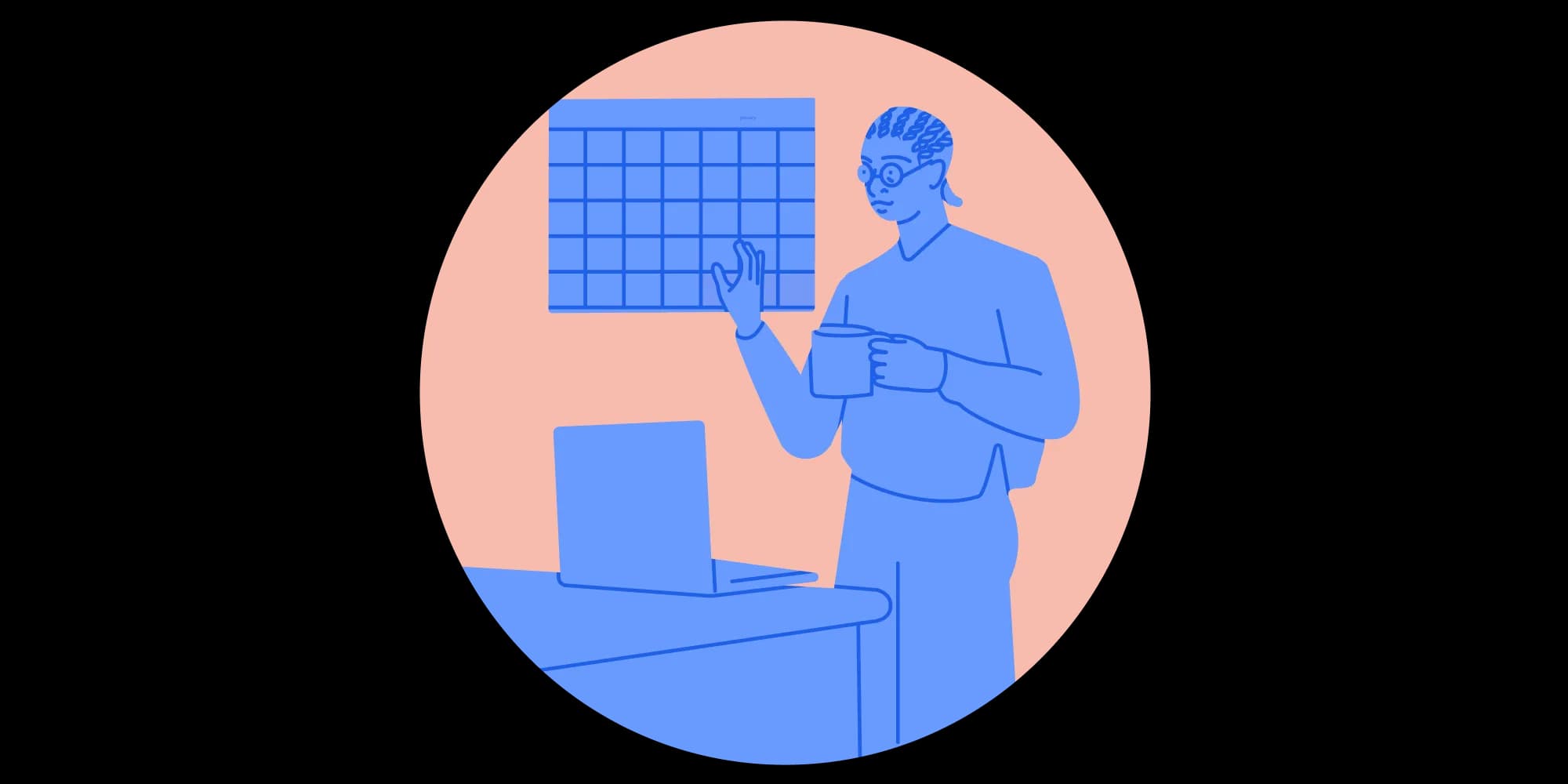
2 January 2025 · Article, Tips for parents, Tips for students, Tips for users
Exams this year? Here’s how to make the most of the next few months (and how Tassomai can help!)
2025 is just beginning but exam season will come around quickly! Here’s what parents can expect over the next 6 months, and how they can help students prepare for exams.
1 December 2022 · Tips for students
Tassomai’s New GCSE Survival Guide for Students!
As students look towards the new year, with the return of strict grade boundaries and exams looming on the horizon, Tassomai has published a free guide for students to help them navigate the challenging GCSE years.
26 September 2022 · Tips for parents, Tips for teachers, News
New GCSE Survival Guide - Practical Advice for Parents of Y9-11s
As a new cohort of students embark upon their GCSE journey and others begin to think about their mocks, Tassomai has published an updated (free) guide for parents to help them navigate what can be a challenging time for families.

3 February 2022 · Tips for parents
5 ways to support your child’s mental health throughout their GCSEs
As we look towards end of year assessments, Tassomai asks mental health and education experts what their top pieces of advice are for parents supporting their children’s wellbeing.

2 December 2021 · Tips for parents
A Step-By-Step Guide to Revising for GCSEs
Matt Green, The Rapping Science Teacher on tiktok and the owner of JGM Science Tutors, speaks to Tassomai about his foolproof method for getting revision started (unfortunately, it’s not rapping).

11 November 2021 · Tips for parents
Spotting the signs of exam stress in GCSE students
Are they burying their head in the sand like the ostrich or are they more like the laid-back lion? Tassomai founder Murray Morrison presents a few classic archetypes of exam-stressed children !

4 November 2021 · Tips for parents
A Parents’ Guide to GCSE Revision
Abi Ludlow, English teacher and KS3 Lead at Richard Lander School tells parents exactly what they need to know about their child’s revision schedule , and where they fit in!

27 October 2021 · Tips for parents
Building background knowledge - the secret to success in GCSE English
Kathrine Mortimore shares her advice for GCSE English students, using Tassomai for English and her experience of her time as part of the ongoing Torquay-Tassomai collaboration.
Tagged: GCSE Survival Guide, GCSE, gcse sci, Revision, Karen Collins